Texas is an attractive base for K-beauty warehousing, distribution, e-commerce, and brand development, but businesses often begin with the wrong licensing question. The Texas Department of State Health Services states that manufacturers and distributors dealing only in cosmetics are not required to obtain a DSHS cosmetics license. That does not mean the activity is unregulated, exempt from inspection, or free from federal obligations. Texas DSHS oversees cosmetic labeling, harmful additives, unsupported claims, complaints, and inspections, while FDA requirements such as MoCRA facility registration and product listing may apply to certain firms. The answer also changes if a “cosmetic” makes acne, sunscreen, dandruff, or other drug claims. This guide explains the state-level distinction, shows how to prepare a Texas facility for inspection, and identifies the records a K-beauty operator should organize before inventory reaches a Frisco-area warehouse.
Texas Licensing Basics for Cosmetics
The Texas DSHS Cosmetic Manufacturers and Distributors page states that cosmetic manufacturers and distributors are not required to license with DSHS. The same page explains that the Drugs and Medical Devices Unit works to ensure cosmetics are properly labeled, do not contain harmful additives, and are not promoted with unsubstantiated or fraudulent claims. The unit may inspect facilities as needed, provide technical assistance, and investigate complaints.
This distinction is important: “no Texas cosmetics license” is not the same as “no Texas oversight.” Chapter 431 of the Texas Health and Safety Code, the Texas Food, Drug, and Cosmetic Act, applies. Texas also identifies relevant rules in Title 25 of the Texas Administrative Code and adopts federal cosmetic regulations by reference. A business should design operations around compliant products and records rather than treating the absence of a license application as the end of its analysis.
Federal requirements remain separate. DSHS notes that certain cosmetic manufacturers must register with FDA and list products. MoCRA includes exemptions and qualifications that depend on the firm, product, activity, and sales, so a Texas warehouse should not assume that state licensing status determines federal status. Document the analysis for each legal entity and physical location.
The Critical Cosmetic-or-Drug Decision
How Claims Change the Regulatory Path
A product’s intended use can turn a familiar K-beauty item into a drug under U.S. and Texas law. Cleansing, beautifying, promoting attractiveness, or altering appearance generally fit cosmetic use. Claims to diagnose, cure, mitigate, treat, or prevent disease—or affect body structure or function—can establish drug status.
Examples matter. A lightweight gel described as moisturizing dry-looking skin may be a cosmetic. The same formula promoted to treat eczema or heal inflamed skin creates a different regulatory question. Acne treatment, dandruff treatment, antiperspirant action, and sunscreen protection are common categories in which products may be drugs or both cosmetics and drugs. “Medical grade,” “anti-inflammatory,” “cell regeneration,” and similar language also deserve careful review in context.
Evaluate the complete claim environment: package, website, social posts, marketplace listing, sales presentation, influencer instructions, translated Korean copy, product name, and consumer testimonials adopted by the brand. Removing a drug claim from the carton while repeating it in digital advertising does not create a consistent cosmetic position.
Mixed Cosmetic and OTC Inventory
A Texas operation that handles cosmetics only may not need a DSHS cosmetics license, but a facility manufacturing or distributing over-the-counter or prescription drugs enters a licensed program. DSHS states that businesses manufacturing or distributing OTC or prescription drugs must be licensed in Texas. Each physical location and activity should be evaluated separately.
This matters to K-beauty businesses that add U.S.-market sunscreens, acne treatments, or anti-dandruff products to a cosmetic catalog. A product sold as a cosmetic in Korea may be regulated differently in the United States. Do not classify the entire warehouse from the company’s marketing identity; classify actual products and activities.
If a facility handles food, medical devices, drugs, or other regulated categories in addition to cosmetics, additional licenses or a multiple-products license may apply. DSHS publishes separate licensing resources and a public license search. Obtain a written, fact-specific determination when the product mix or ownership structure is unclear.
Build an Inspection-Ready Texas Operation
Facility and Record Controls
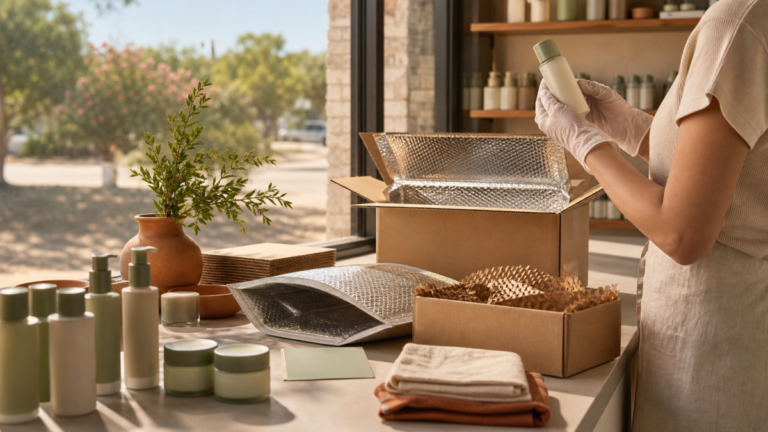
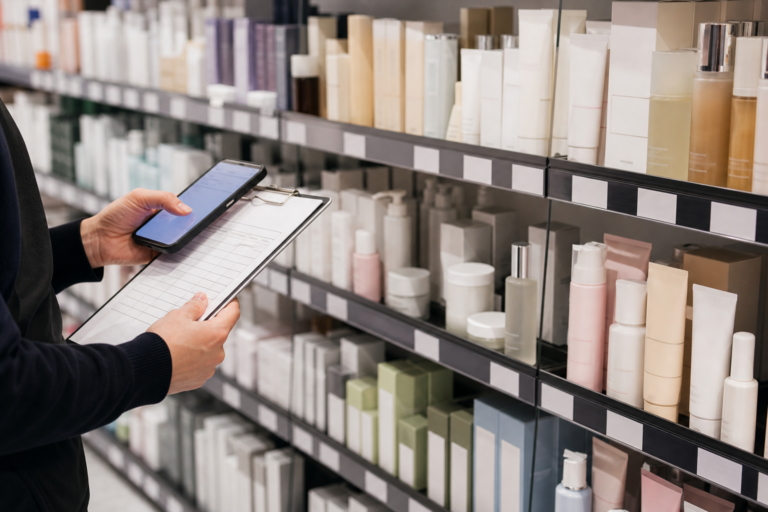
An orderly warehouse should make it possible to trace any unit from receipt to customer. Establish written procedures for receiving, quarantine, release, storage, picking, returns, damaged goods, complaints, recalls, pest control, cleaning, temperature excursions, and destruction. Assign responsibility and train workers on the procedures they actually use.
- Separate released, quarantined, returned, expired, and damaged inventory.
- Record supplier, product, lot or batch, quantity, receipt date, and disposition.
- Monitor storage conditions appropriate to the product and investigate deviations.
- Keep shelves, floors, packing stations, and hand-contact areas clean.
- Protect open components and products from contamination.
- Document corrections rather than erasing or backdating records.
Imported skincare may arrive after heat exposure or long transit. A Texas summer increases the need for realistic shipping and warehouse controls, but temperature specifications should come from product stability evidence, not an arbitrary number. Define what happens when data loggers, visible package damage, leaks, odor, texture, or color suggest a deviation.
If the business repacks, relabels, fills, assembles kits, or applies U.S. stickers, document the operation and assess whether it changes the firm’s regulatory role. Verify label reconciliation so obsolete artwork and incorrect translations are not mixed with current inventory.
Labels, Complaints, and Traceability
Maintain a controlled master label for each U.S. SKU. Review product identity, net quantity, responsible business information, ingredient declaration, warnings, directions, and English-language presentation as applicable. Match the label with the actual formula, package size, website claims, and invoice description. A barcode or stock-keeping code should not replace the lot code needed for traceability.
Build a complaint procedure that captures the consumer, product, lot, use, symptoms or defect, purchase channel, photos, medical attention, and follow-up. Complaints involving serious adverse events may trigger federal reporting obligations for the responsible person under MoCRA. Even non-serious complaints can reveal a repeated pump failure, leaking seal, mislabeled shade, contamination concern, or shipping problem.
Use mock recalls to test whether the business can identify affected customers and inventory quickly. The exercise should reconcile quantities received, distributed, returned, quarantined, and remaining. Correct weak data links before an actual safety issue occurs.
Certificates of Free Sale and Origin
Some Texas businesses seek a Certificate of Free Sale or Certificate of Origin to support exports from the United States. That certificate process should not be confused with a basic cosmetics license. DSHS’s certificate FAQ says manufacturers, distributors, and wholesalers of cosmetics only are not required to license with DSHS, but they need a current compliant inspection for the certificate process.
DSHS certification requirements state that cosmetic manufacturers, distributors, or wholesalers generally need a current compliant inspection within 24 months of the application. The department may issue a certificate, deny it, schedule an inspection, or request additional information. Processing time pauses while the applicant supplies requested material.
A certificate is intended for a particular export purpose and does not prove that a product is FDA approved, clinically effective, or compliant in every destination country. Confirm the importing country’s requirements, product list, name and address consistency, inspection status, and certificate type before promising a customer a delivery date.
Risks, Limitations, and Common Mistakes
State and federal requirements can change, and this article cannot determine status for every product or facility. Business activity matters: importing sealed cosmetics, storing them, applying labels, assembling gift sets, manufacturing bulk, filling containers, selling OTC drugs, and exporting may create different obligations. Local zoning, fire code, occupational safety, sales tax, and environmental rules may also apply outside DSHS cosmetic oversight.
Common mistakes include assuming a Korean product classification controls in Texas, treating “no license” as “no inspection,” failing to evaluate sunscreen or acne products as drugs, using therapeutic translations, storing returns with saleable stock, discarding cartons with lot codes, and waiting for a complaint before building traceability.
Do not claim that DSHS, FDA, or an inspection “approves” a cosmetic unless an agency has explicitly granted the specific approval being described. FDA generally does not preapprove cosmetics or most cosmetic ingredients, except for color additives under applicable rules. Regulatory registration, listing, inspection, or a certificate is not an endorsement.
Contact Texas DSHS and qualified regulatory counsel when activities cross product categories, drug claims are possible, a new physical location is opened, ownership changes, an inspection identifies deficiencies, or an export certificate is needed. Keep written agency communications in the compliance file.
Conclusion & Key Takeaways
Texas does not require a DSHS license for businesses dealing only in cosmetics, but those businesses remain subject to state laws, inspections, labeling expectations, complaint oversight, and applicable federal requirements. The product’s claims and actual activities—not the K-beauty label—determine whether drug licensing or another program enters the picture.
A strong Texas operation starts with product classification, controlled labels, clean storage, lot traceability, complaint handling, and recall readiness. For Frisco-area brands and distributors, building these systems before inventory arrives is more efficient than reconstructing them during an inspection, adverse event, export certificate request, or product recall.