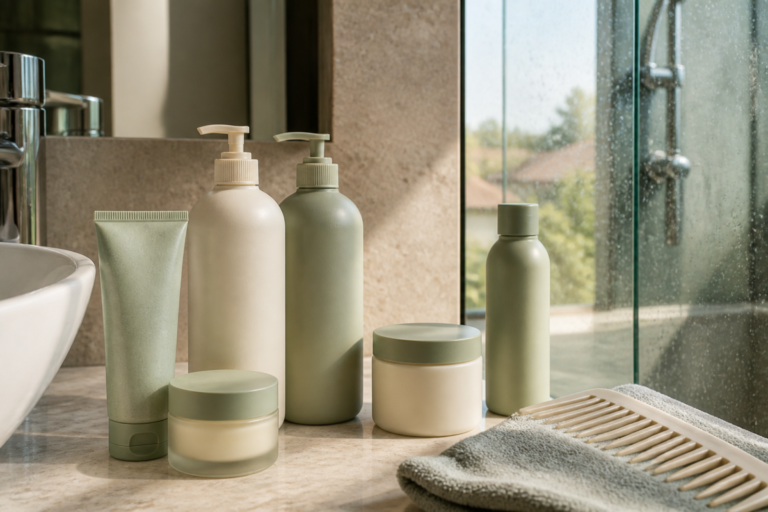
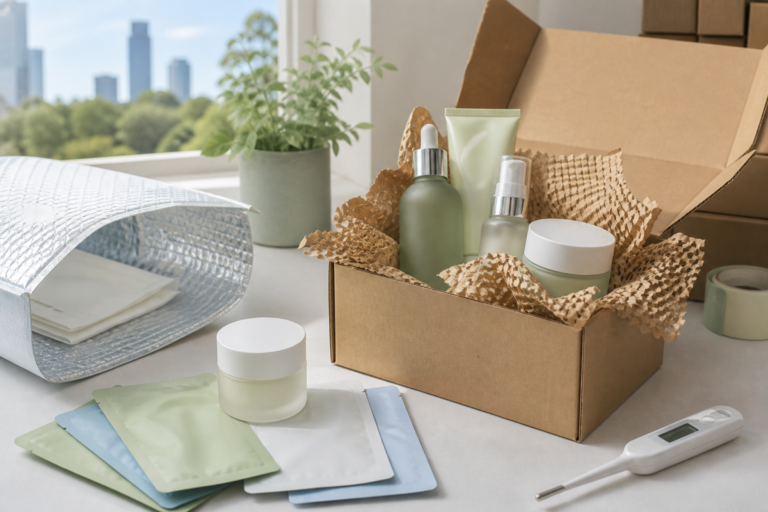
Back-to-school shopping can turn teen skincare into a crowded shelf of cleansers, toners, pads, serums, masks, and spot products. K-beauty makes skincare inviting, but more steps do not automatically produce healthier skin. For students in North Texas, a routine must also fit early mornings, outdoor practices, perspiration, air-conditioned classrooms, and a realistic family budget. The most useful starting point is usually three dependable functions: gentle cleansing, appropriate moisturizing, and sun protection. This guide explains how parents and teens can build that foundation, evaluate Korean beauty products without chasing every trend, and recognize when acne or irritation belongs in a dermatologist’s office. Recommendations are based on public guidance from the American Academy of Dermatology (AAD) and U.S. regulators, not on unverified local observations or promises of medical results.
Why a Simple Teen Routine Works
Teen skin does not need an elaborate routine simply because social media presents one. Each additional product introduces another formula, fragrance, active ingredient, and opportunity for irritation. It also makes it harder to identify the cause when stinging, dryness, or breakouts begin. A stable baseline gives the skin time to respond and gives the user a repeatable habit that survives school-day pressure.
The AAD advises people with acne-prone skin to wash gently rather than scrub. Its acne self-care guidance recommends a gentle, non-abrasive cleanser, washing up to twice daily and after sweating, and avoiding products that irritate the skin. This supports a restrained approach: consistency matters more than collecting many products.
A practical test is whether a student can explain the job of every item. Cleanser removes accumulated oil, sweat, sunscreen, and debris. Moisturizer helps manage dryness and supports comfort. Sunscreen reduces ultraviolet exposure. A treatment product should address a defined concern and be introduced deliberately, not added because its packaging is popular.
The Three-Step Morning Routine
Gentle Cleansing
Use lukewarm water and fingertips rather than rough cloths or brushes. A small amount of mild cleanser is generally enough for the face. Rinsing thoroughly and patting dry reduces unnecessary friction. A teen whose skin feels tight or burns after washing may be using a product too aggressively, washing too often, or combining too many drying ingredients.
K-beauty cleansers are sold in foams, gels, creams, oils, and balms. Texture alone does not determine suitability. Read the directions and ingredient list, and prioritize how the skin feels after repeated use. Double cleansing may be useful for some people removing durable makeup or water-resistant sunscreen, but it is not a universal requirement for every student every night.
Lightweight Moisturizer
Oily or acne-prone skin can still become dry and irritated. The AAD explains that acne treatments such as benzoyl peroxide, salicylic acid, and topical retinoids may be drying, and that moisturizer can improve tolerability. Its moisturizer guidance suggests looking for descriptions such as oil-free, non-comedogenic, or “won’t clog pores” when breakouts are a concern.
Apply a modest layer rather than repeatedly stacking essences and creams. Gel textures may feel comfortable in warm weather, while a richer fragrance-free cream can help when indoor air conditioning or treatment causes dryness. “Glass skin” is a marketing and appearance concept, not a medical target. Comfortable skin without persistent burning or flaking is a more useful goal.
Daily Sunscreen
Sun protection is the non-negotiable daytime step, especially when school schedules include walking, athletics, marching band, or outdoor events. The AAD’s sunscreen selection guidance recommends broad-spectrum protection, SPF 30 or higher, and water resistance. For acne-prone skin, it recommends products labeled non-comedogenic or unlikely to clog pores.
Apply sunscreen to exposed skin and follow the product’s directions. Reapplication matters after sweating, swimming, or towel drying and during extended outdoor exposure. A pleasant Korean sunscreen can improve daily use, but U.S. shoppers should verify that a product sold as sunscreen carries the required Drug Facts labeling for lawful U.S. marketing. A cosmetic claiming only a glowing finish is not a substitute for a properly labeled sunscreen.
After School, Sports, and Sweating
North Texas students may move from cool classrooms to outdoor heat, a gym, or practice. Sweat itself does not need to trigger harsh scrubbing. Blot rather than rub when possible, change out of sweaty clothing, and cleanse gently after heavy perspiration. The AAD’s guidance for acne and physical activity recommends showering and changing clothes after sweating and avoiding abrasive tools.
Keep the routine portable without transferring products into unmarked containers that lose directions and ingredient information. A travel-size labeled sunscreen, clean towel, and fresh shirt can be more useful than several treatment pads. Helmets, chin straps, shoulder pads, and backpacks create friction; cleaning equipment according to manufacturer instructions and avoiding picking at affected skin can reduce added irritation.
At night, remove makeup and sunscreen, cleanse gently, and moisturize. If a clinician has recommended an acne medication, use it according to those directions rather than increasing frequency for faster results. Adding a strong exfoliating toner on the same evening may compound irritation and make adherence harder.
How to Evaluate K-Beauty Products
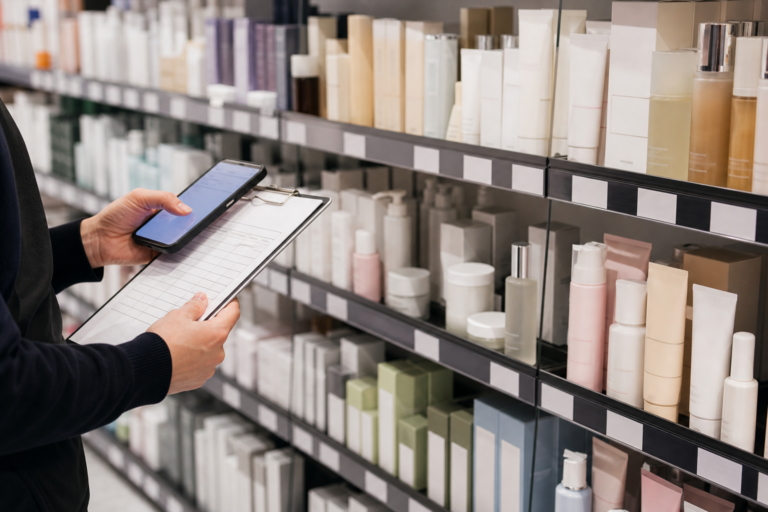
Begin with the U.S. label. Check the product identity, net contents, ingredient declaration, responsible company information, directions, and warnings. Buy through a seller that provides traceable product information and a realistic return process. Attractive Korean packaging or a viral video does not establish authenticity, safety, or suitability for an individual teenager.
Introduce one optional product at a time and keep the rest of the routine stable. Use it as directed on a limited area first when sensitivity is a concern, and stop if swelling, blistering, significant pain, or persistent rash occurs. Fragrance, botanical extracts, exfoliating acids, retinoid-like ingredients, and multiple acne actives can all be sources of difficulty for some users even when they are popular.
Marketing words deserve careful interpretation. “Clean,” “natural,” “hypoallergenic,” “poreless,” and “detox” do not guarantee a specific result. The FDA explains that cosmetics generally are not approved before marketing, apart from color additives, and companies are responsible for product safety and lawful labeling. Consumers can review the FDA’s overview of cosmetics under U.S. law rather than assuming an imported product received individual government approval.
When Acne Needs More Than Cosmetics
Cosmetics can cleanse, moisturize, and improve appearance, but they are not automatically acne drugs. In the United States, products intended to treat or prevent acne are regulated as drugs and must follow applicable requirements. Families should distinguish a soothing cosmetic from an acne medication and should not rely on influencer testimonials as diagnosis.
Deep, painful bumps, scarring, widespread acne, persistent symptoms, or emotional distress justify professional help. The AAD notes in its acne treatment overview that dermatologists tailor treatment to acne type and severity. Prescription medicines also require individualized instructions and monitoring.
Keep a short record of products, start dates, symptoms, and photographs if appropriate. Bring the actual packaging or clear ingredient lists to an appointment. This is more useful than describing a product only as a “Korean serum,” because clinicians need to know the ingredients and how often each item was used.
Risks and Limitations
Skin type, allergies, medical history, medications, and acne severity differ. A routine that works for one student may irritate another. Non-comedogenic labeling reduces neither every person’s breakout risk nor the possibility of allergy. Patch testing also cannot guarantee that future use will be reaction-free.
This guide is educational and does not diagnose or treat disease. Parents should seek prompt medical help for serious allergic symptoms, eye exposure, infection signs, severe pain, or rapid worsening. Students using prescription acne medicine should follow their clinician’s instructions. Product formulas and U.S. distribution status can change, so verify the current package rather than relying on an old online listing.
Conclusion & Key Takeaways
A useful North Texas back-to-school K-beauty routine can remain simple: cleanse gently, moisturize according to skin needs, and use properly labeled broad-spectrum, water-resistant SPF 30 or higher sunscreen. Add optional products slowly and for a defined purpose. More layers are not evidence of better care.
The best routine is the one a student can follow consistently without persistent irritation. Choose traceable products, read U.S. labels, manage sweat without scrubbing, and involve a dermatologist when acne is painful, scarring, persistent, or emotionally difficult. K-beauty can make daily care enjoyable, while sound habits keep the routine practical.