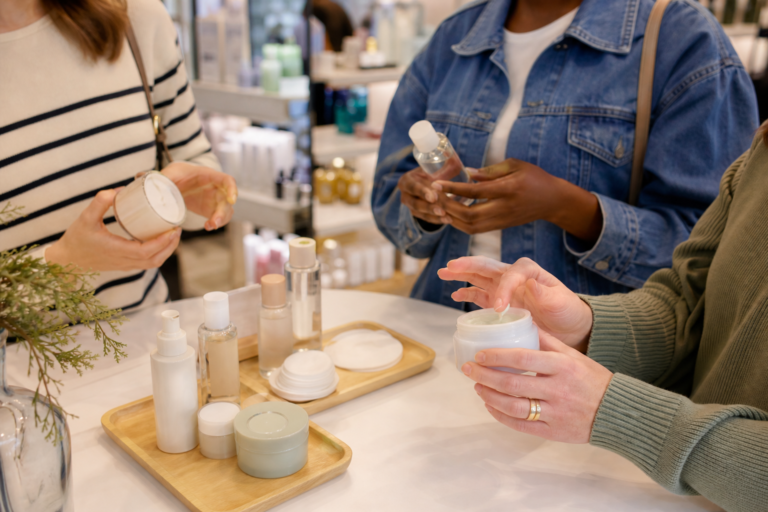
K-beauty in the United States is still strongly associated with facial skincare, but hair and scalp products are becoming easier to discover as part of the same broader beauty conversation. That does not mean every Korean shampoo is innovative or that a multi-step scalp routine is necessary for everyone. It does mean U.S. shoppers and retailers now have a clearer reason to evaluate K-beauty beyond cleansers, toners, serums, and sunscreen. In 2026, the useful question is not whether “scalp care is the new skincare” as a slogan. It is how Korean hair-care formats, textures, routine logic, and ingredient stories fit diverse American hair types and expectations. This article examines the visible retail signals, explains the regulatory boundary between cosmetic care and drug claims, and offers practical guidance for shoppers and brands.
The Category Signal Behind K-Beauty Hair Care
Korean cosmetics exports reached a new record in 2025, according to a January 2026 release from Korea’s Ministry of Food and Drug Safety. The agency reported total cosmetics exports of approximately $11.4 billion. That figure describes the strength of the overall export sector; it does not by itself prove how much U.S. demand belongs to hair care. It provides context for why Korean manufacturers and retailers have the capability and incentive to explore adjacent beauty categories.
A more direct U.S. retail signal is category organization. Ulta Beauty now publishes a dedicated K-Beauty Hair Care guide describing Korean shampoos, conditioners, serums, essences, leave-in treatments, and masks. Ulta also presents scalp-focused care and multi-step routine language to American shoppers. A retailer guide is evidence of assortment and merchandising activity, not independent proof of market size or product performance. Still, it shows that K-beauty hair care is visible enough to be explained as a category rather than treated as an isolated product.
The broader distribution environment is also changing. Sephora and CJ Olive Young announced a strategic partnership in January 2026 to create dedicated Olive Young-curated zones online and in stores. The companies described the assortment broadly as Korean health and beauty products. Their official announcement does not guarantee which hair-care products will succeed, but it demonstrates continuing investment in Korean beauty discovery and curation.
Why Adjacent Categories Make Strategic Sense
Facial skincare taught many U.S. consumers to understand K-beauty through routines, lightweight layers, sensorial textures, and ingredient-focused education. Hair care can use similar communication tools: cleanse, condition, treat, protect, and address the feel of the scalp and strands separately. The bridge is easy to explain, especially for shoppers already comfortable with essences, ampoules, masks, and leave-on products.
But familiarity can also create lazy marketing. Skin and hair are not interchangeable, and a facial ingredient story cannot simply be copied onto a scalp serum. Each formula, use pattern, and claim needs its own safety and evidence review. Category adjacency is an opportunity for clearer education, not permission to make broader promises.
What “Scalp-First” Actually Means
In ordinary cosmetic language, a scalp-first routine can mean paying attention to cleansing, buildup, comfort, product placement, and the condition of the hair near the root rather than treating every concern as damage to the ends. It may involve a pre-wash, shampoo, rinse-out conditioner, occasional treatment, or leave-on cosmetic. The routine should be proportional to the person’s needs; more steps are not automatically better.
The regulatory meaning depends on intended use. FDA’s Cosmetic, Drug, or Both guidance explains that cleansing shampoos are cosmetics, while an antidandruff shampoo is both a cosmetic and a drug because it cleanses hair and treats dandruff. Claims that a product restores hair growth, prevents baldness, or treats disease can establish drug intended use.
Cosmetic Care Versus Treatment Claims
Descriptions such as “cleanses excess oil,” “helps hair look smoother,” or “leaves the scalp feeling refreshed” generally communicate appearance or sensory experience. Statements such as “regrows hair,” “treats psoriasis,” or “prevents dandruff” move into therapeutic or structure-function territory. The exact context and overall message matter, not only the presence of one keyword.
FDA maintains a page of warning letters involving drug claims for products marketed as cosmetics, including hair-care and hair-restoration claims. This is a practical reminder for Korean brands: translations, creator scripts, marketplace bullets, before-and-after images, and website explanations can all contribute to intended use.
A Routine Is Not a Diagnosis
Dryness, oiliness, visible flakes, itching, breakage, and shedding can have different causes. A shopper should not use a viral routine to diagnose a medical condition. Persistent, painful, sudden, or severe symptoms deserve evaluation by a qualified health professional. A cosmetic can improve cleansing, conditioning, manageability, or appearance without treating the underlying cause of every scalp concern.
This distinction protects consumers and improves product communication. A brand can explain texture, directions, finish, and supported cosmetic benefits in detail without implying that every discomfort is a cosmetic problem.
Product Formats Moving Beyond Shampoo
Pre-Wash and Scalp-Cleansing Products
Pre-wash oils, exfoliating formats, and scalp cleansers are designed to be used before or alongside shampoo. Their practical value depends on the formula, frequency, styling-product use, and individual tolerance. A shopper should check whether the product is intended for the scalp, hair lengths, or both, and whether it needs to be emulsified or fully rinsed.
More aggressive cleansing is not always a better reset. Layering a scrub, strong cleansing shampoo, and leave-on active in one session may increase irritation for some people. Start with one change, follow directions, and observe how the scalp and hair respond before adding another step.
Essences, Serums, and Tonics
Korean beauty vocabulary makes leave-on formats feel familiar, but labels such as essence, ampoule, serum, and tonic do not establish a standardized performance level. The useful details are application area, dose, frequency, finish, ingredient list, and supported claims. A watery scalp essence may be chosen for low residue, while a richer oil may be intended for pre-wash use or hair lengths.
Consumers should be cautious when cosmetic products use visual language associated with medicine or promise structural changes without appropriate regulatory status. A dropper bottle is a delivery format, not evidence of efficacy.
Masks and Leave-In Treatments
Hair masks and leave-in treatments can address conditioning, detangling, shine, frizz appearance, and protection from routine grooming or heat when claims are properly supported. Hair type, porosity, chemical processing, climate, and styling practices affect the result. Fine hair may respond differently from highly textured or heavily processed hair.
For North Texas consumers, heat, sun exposure, indoor air conditioning, swimming, and frequent washing can shape preferences, but these conditions do not produce one universal routine. Product education should help shoppers select and adjust rather than prescribe a fixed Korean sequence.
A U.S. Shopper’s Evaluation Checklist
1. Identify What the Product Claims to Do
Ask whether the product is presented as a cosmetic, an over-the-counter drug, or both. If it claims to treat dandruff or restore hair, look for the labeling expected for the applicable product category rather than assuming “K-beauty” changes U.S. requirements. FDA explains that intended use is established through claims, advertising, consumer perception, and sometimes ingredients with recognized therapeutic use.
2. Read Placement and Rinse-Off Instructions
A product for the hair lengths may not belong directly on the scalp. A pre-wash formula may not be designed to remain overnight. Translate routine steps into practical questions: How much? Where? How long? How often? Rinse or leave in? If the English directions are unclear, do not rely on a short social video to fill every gap.
3. Use the Ingredient List for Screening, Not Prediction
The ingredient declaration can help consumers identify known sensitivities and compare formulas, but it cannot reveal the complete manufacturing process or guarantee an individual outcome. FDA’s labeling summary states that cosmetics sold at retail require an ingredient declaration and required label statements must be conspicuous and in English.
4. Compare Reviews With Similar Hair Context
Look for reviewers who explain hair texture, chemical treatment, routine, climate, length of use, and product amount. A positive review on straight, untreated hair may not predict the experience of someone with curls, bleach damage, extensions, or a diagnosed scalp condition. Sponsored or gifted relationships should also be clearly disclosed.
5. Introduce One Major Change at a Time
Changing shampoo, scalp exfoliant, serum, mask, and styling product simultaneously makes it difficult to identify what helped or caused a problem. Patch testing may be appropriate for some products, but it cannot predict every response. Stop use and seek appropriate guidance if a significant adverse reaction occurs.
What Korean Brands Should Consider
Translate the Need, Not Just the Package
U.S. hair care serves a wide range of curl patterns, protective styles, chemical treatments, wash frequencies, and climate conditions. A brand should state who the product was designed for, what evidence supports that positioning, and what it does not claim. A routine built around assumptions from one market may need new testing and clearer directions for another.
Retail education should make the category easier, not longer. A three-product good-better-best pathway can be more useful than presenting ten steps. Explain which product is optional, which substitutes for an existing step, and how long one package is expected to last under the labeled directions.
Control Claims Across Every Channel
Review the package, product detail page, retailer copy, search ads, influencer briefs, training decks, and translated social content together. Hair-growth, anti-loss, dandruff, inflammation, and other therapeutic implications require particular care. A compliant box cannot cure an unapproved drug message created by the campaign around it.
Maintain a claim file that connects each objective statement to appropriate evidence for the finished product and intended conditions of use. Sensory or consumer-perception testing should not be rewritten as a medical finding. In Frisco and the broader U.S. market, long-term trust will depend more on accurate expectation-setting than on adopting the most dramatic scalp-care language.
Risks and Limitations
Retail guides and new assortments show availability and merchandising interest; they do not establish category sales, clinical efficacy, or nationwide consumer adoption. Public Korean export totals generally cover the broader cosmetics industry and should not be presented as a hair-care market-size statistic without category-specific data. This article therefore describes a category signal, not a quantified forecast.
Hair and scalp responses vary, and cosmetic information is not medical advice. Regulations, product availability, formulas, claims, and retailer assortments can change. Consumers should verify current labels and consult qualified professionals for persistent scalp or hair-loss concerns. Brands should obtain regulatory and legal advice for their specific product classification and claims.
Conclusion & Key Takeaways
K-beauty hair care is becoming more visible in the United States through dedicated retail education, broader product formats, and a routine-centered way of explaining scalp and strand care. The opportunity is real enough to evaluate, but it should not be inflated into an unsupported market-size claim or a promise that every scalp concern needs a Korean multi-step solution.
Shoppers should focus on intended use, directions, ingredient transparency, relevant review context, and realistic cosmetic benefits. Brands should adapt to diverse U.S. hair needs and control claims across every channel. The category’s most durable advantage will come from useful products and clear expectations—not from treating “scalp-first” as a medical shortcut.