American interest in Korean skincare is often explained as a social-media trend. That explanation is incomplete. Social platforms can introduce a product, but repeat purchases happen only when formula, price, convenience, and experience make sense in daily life. In 2026, K-beauty is gaining attention because many products answer familiar needs—hydration, gentle cleansing, barrier support, comfortable textures, and visible value—while presenting those solutions in formats that feel new.
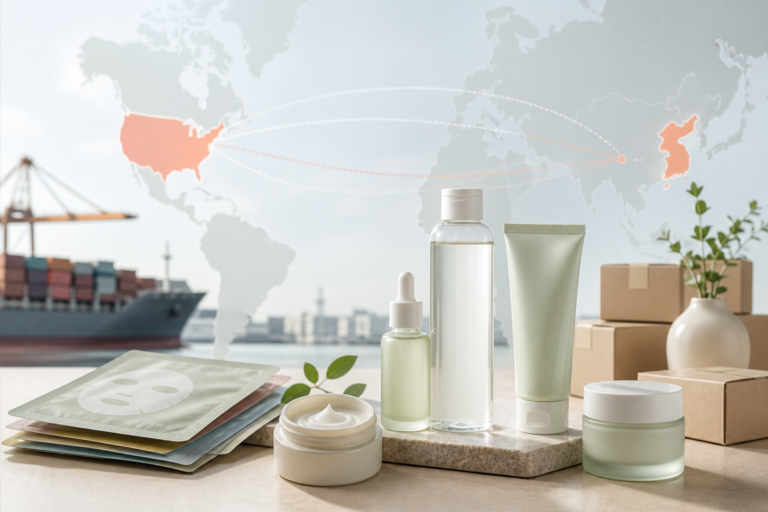
The shift is occurring inside a healthy market. Circana reported that mass skincare sales grew 6 percent in both dollars and units during 2025, while prestige skincare grew 3 percent in dollars and led prestige categories in unit growth. Korea also reported record cosmetics exports, with the United States becoming its largest destination. These figures do not explain each purchase, but they establish the commercial environment in which consumer behavior is changing.
Accessible Innovation Lowers the Risk of Trying Something New
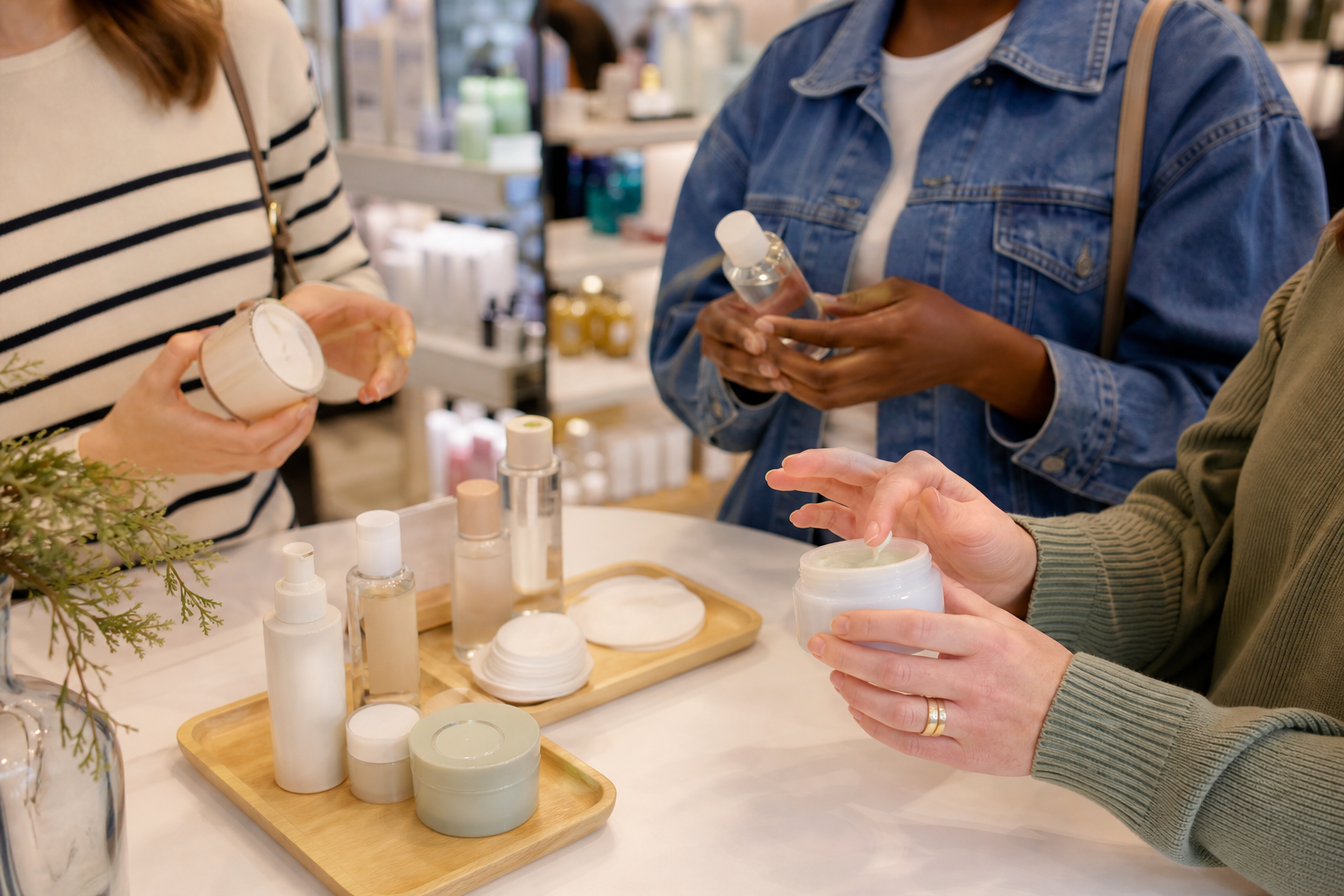
Consumers experiment more easily when a product offers a recognizable benefit at an acceptable price. Korean skincare often combines distinctive textures and polished packaging with mid-market pricing. A shopper can explore a cleansing balm, milky toner, hydrogel mask, ampoule, or toner pad without making a luxury-level commitment.
This balance between novelty and familiarity matters. Innovation that is too unfamiliar requires extensive education. A familiar but undifferentiated product competes mostly on price. K-beauty often sits between those extremes: the shopper recognizes the goal but discovers a new application method or sensory experience.
Formats Communicate Before the Ingredient List
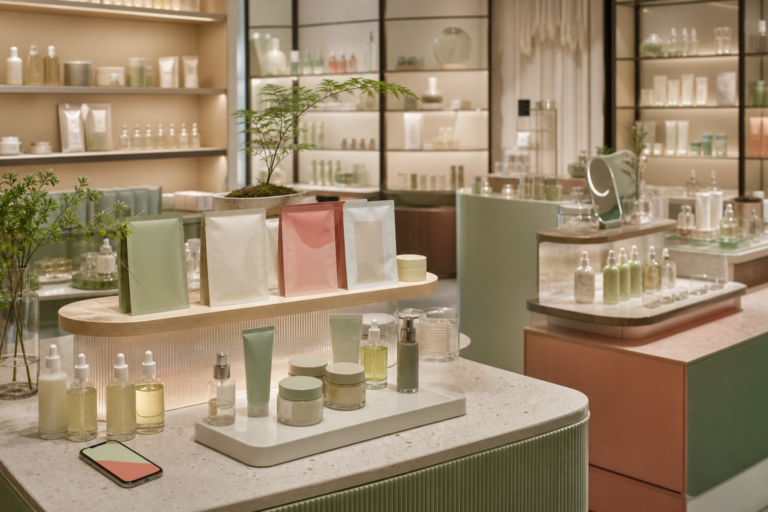
A successful format can demonstrate value immediately. Toner pads suggest speed and controlled application. Sheet masks create a defined treatment moment. Cushion compacts connect portability with technique. Cleansing oils and balms visibly dissolve makeup and sunscreen. These behaviors are easy to show online and explain in stores.
Demonstration supports discovery, but repeat purchase depends on execution. A pad must remain saturated, a pump must work, and a mask must fit comfortably. Packaging is part of performance rather than decoration. Brands that treat it as an afterthought may win a first order but lose the second.
Flexible Textures Fit Shorter Routines
The stereotype that K-beauty requires ten steps is no longer useful for many American shoppers. They want routines that can be shortened on busy days and expanded when needed. Lightweight layers support flexibility. A hydrating toner can sit under moisturizer, pair with a targeted serum, or be skipped when the routine already feels sufficient.
This modular approach reduces pressure to find one product claiming to do everything. A consumer can choose a gentle cleanser, a moisturizer suited to the season, and one targeted cosmetic product. Substitution becomes easier, and brands can educate without demanding a full-system purchase.
Climate and Skin Feel Shape Adoption
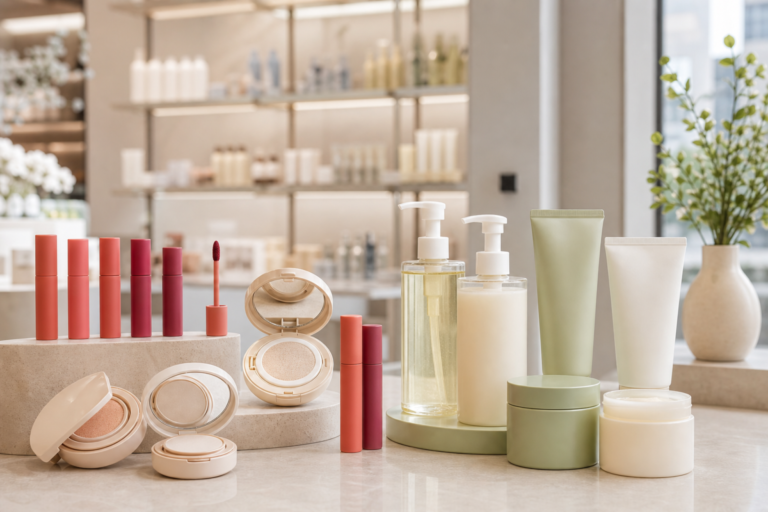
Texture matters in a geographically diverse country. A rich cream that is comfortable in a cold northern winter may feel heavy during a Texas summer. Lightweight gels, emulsions, and watery layers provide options for heat, air conditioning, travel, and seasonal dryness.
No texture is universally superior. The advantage is choice. Brands that accurately explain finish—dewy, natural, matte, occlusive, or fast-absorbing—help customers choose well and can reduce unnecessary returns.
Ingredient Education Builds Confidence
Korean brands have made ingredient names part of everyday beauty conversation. Centella asiatica, madecassoside, heartleaf, rice extract, ceramides, peptides, and fermented ingredients appear prominently in names and campaigns. This visibility gives consumers a starting point for comparison and search.
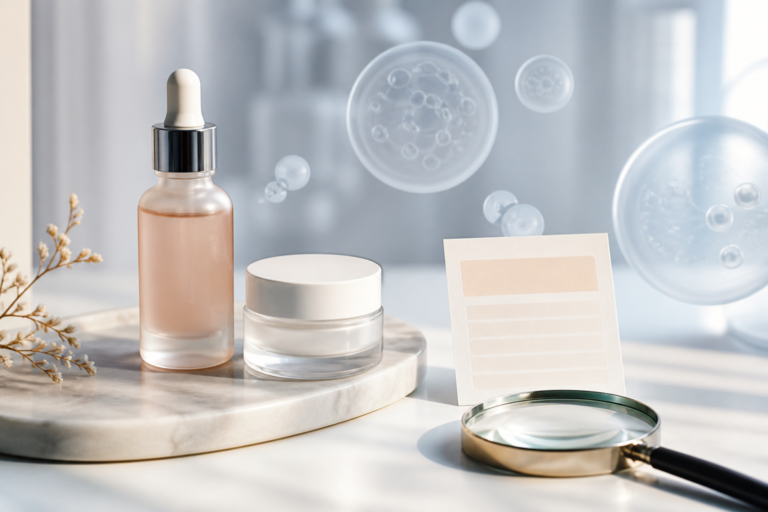
Context is essential. Position in the ingredient list, concentration when disclosed, extraction method, complete formula, packaging, and intended use all matter. A headline ingredient does not guarantee a result. Responsible education explains its role without implying that a cosmetic treats disease.
Better-Informed Shoppers Question Claims
As skincare literacy grows, shoppers distinguish cosmetic benefits from medical promises. They look for complete ingredient lists, realistic directions, fragrance information, and compatibility with products already used. Brands with clear communication gain an advantage.
Exaggeration is also challenged quickly. Claims can be copied, compared, and debated across communities. Trust grows when a company acknowledges limitations, avoids universal promises, and explains whether evidence applies to the ingredient, a supplier test, or the actual finished formula.
Social Discovery Works When Availability Is Reliable
K-beauty travels efficiently through visual platforms because texture, packaging, and routines are easy to demonstrate. A short video can introduce a product to a large audience, but the purchase usually moves to a marketplace or retailer where the customer compares price, delivery, seller identity, and reviews.
The strongest opportunity appears when discovery and availability meet. A viral product that is unavailable, inconsistently priced, or sold by unclear third parties creates frustration. A product supported by an official storefront, reliable inventory, and responsive service has a better chance of becoming a routine staple.
Reviews Help, but Disclosure Matters
Reviews can explain texture, scent, packaging issues, and climate-specific use. They become less reliable when they make medical conclusions or ignore differences in skin type. Consumers should look for repeated patterns rather than one dramatic result.
Sponsored recommendations also require transparency. The Federal Trade Commission says a material relationship with a brand should be disclosed clearly where it is difficult to miss. A disclosure does not make a recommendation worthless; it gives the audience context.
Value Is More Than a Low Price
American consumers compare the full experience. Value can mean generous quantity, concentrated use, dependable packaging, or a formula that replaces two routine steps. K-beauty competes well when the benefit is explained per use rather than through a discount alone.
Pricing should remain consistent enough to preserve confidence. Constant promotions train shoppers to wait. Extreme differences between channels can raise questions about age, authenticity, or seller authorization. Brands must understand landed cost, platform fees, retailer margin, promotions, and returns before setting a U.S. price.
A Practical Buying Checklist
- Define the routine gap. Decide whether the need is cleansing, hydration, moisture retention, sun protection, or another cosmetic goal.
- Check the seller. Prefer the official brand site, an authorized storefront, or a retailer with a transparent return process.
- Read the entire label. Review directions, warnings, net contents, and the full ingredient declaration.
- Add products gradually. Several simultaneous changes make irritation or improvement difficult to interpret.
- Judge realistic use. A product that is pleasant and simple enough to use consistently may be more valuable than a complicated trend.
Lessons for Brands
American enthusiasm does not remove the need for localization. A brand should identify the customer, climate, routine position, and channel before translating copy. English directions need to answer practical questions, while customer service should be ready for ingredient, order, and authenticity concerns.
Brands must separate acquisition from retention. Viral views and first orders measure attention. Repeat purchase, return reasons, review quality, and email engagement measure whether a product earned a place in the routine. The second group is usually more valuable for long-term planning.
Risks and Limitations
K-beauty is not one philosophy or quality level. Products vary widely, and country of origin does not guarantee suitability. Botanical ingredients can cause irritation. Gentle, clean, and hypoallergenic should not be treated as universal safety guarantees. Persistent skin concerns belong with a qualified healthcare professional, not a trend article.
Growth also brings imitation and oversupply. Similar launches can confuse customers and weaken loyalty. The brands most likely to endure will provide a clear reason for the product, dependable supply, appropriate evidence, and honest communication.
Conclusion and Key Takeaways
American consumers are choosing Korean skincare because it combines accessible innovation, adaptable textures, ingredient education, visual discovery, and competitive value. The trend is reinforced by growing U.S. skincare sales and record Korean exports, but lasting demand depends on more than national origin.
For shoppers, the best product fits a defined need, comes from a trustworthy seller, and integrates comfortably into a routine. For brands, the lesson is to convert attention into confidence through clear localization, evidence-aware claims, consistent distribution, and reliable service.