K-beauty shoppers in the United States can buy the same product through brand websites, major retailers, marketplaces, boutiques, and international sellers. That convenience makes a clear recall-checking method important. A social post saying that a “Korean skincare product was recalled” may omit the exact lot, package size, seller, country, or reason—and can create unnecessary fear about products that are not affected. On the other hand, ignoring a verified notice can leave a consumer using an item that should be returned or discarded. This guide explains how FDA cosmetic recalls and safety alerts work, where to find official information, how to match a notice to the product in your hand, what records to keep, and how to report a problem without assuming that a recall automatically applies to an entire brand or category.
What a Cosmetic Recall Actually Means
FDA defines a recall as a firm’s removal or correction of a marketed product that FDA considers to violate the laws it administers and against which the agency would initiate legal action, such as seizure. Most cosmetic recalls have historically been voluntary. A company may initiate the action, or FDA may request a voluntary recall.
The Modernization of Cosmetics Regulation Act of 2022 added mandatory cosmetic recall authority. FDA’s current cosmetic recall policy explains that the agency can order a responsible person to cease distribution and recall a cosmetic when statutory criteria are met, including a reasonable probability of serious adverse health consequences or death, if the responsible person does not act voluntarily when given the opportunity.
Recall, Market Withdrawal, and Safety Alert
These labels should not be treated as interchangeable. A recall addresses removal or correction of a product considered violative under the applicable policy. A market withdrawal can involve a minor violation not subject to FDA legal action or another non-violation reason, such as normal stock rotation. A safety alert or public warning communicates information that consumers may need promptly.
FDA often posts a company’s announcement as a public service. The posting does not mean FDA endorses the company or product. Read the source notice and its updates rather than relying only on a headline copied by a social account.
Understanding Recall Classifications
FDA can classify a recall according to the health hazard. Class I involves a reasonable probability that use or exposure will cause serious adverse health consequences or death. Class II covers situations where consequences may be temporary or medically reversible, or where the probability of serious consequences is remote. Class III involves a situation in which use or exposure is not likely to cause adverse health consequences.
The classification helps communicate relative hazard; it does not replace the instructions in the notice. Consumers should follow the product-specific action even when the class is not yet displayed or when a company announcement appears before FDA classification.
Where U.S. Shoppers Should Check
FDA Recall Pages and Enforcement Reports
Start with FDA’s Recalls, Market Withdrawals, and Safety Alerts portal. It contains public warnings and company announcements for FDA-regulated products. Search by brand, product name, or company, and filter by product type or date when those controls are available.
FDA’s Enforcement Report provides descriptive weekly recall listings and includes classification information after classification occurs. FDA also offers recall subscriptions. A shopper with a large beauty collection, a retailer, or a beauty professional may find a regular notification more reliable than waiting for an algorithm to surface a post.
Brand and Retailer Notices
The recalling company generally communicates with distributors or customers and may publish instructions on its website. A retailer may email purchasers or add a notice to an account order history. Those channels can provide transaction-specific information, but verify that the message uses the company’s official domain and does not request unnecessary passwords or payment details.
Marketplace listings can disappear without explaining whether the cause was inventory, policy, seller choice, or safety. A removed listing is not proof of a recall. Conversely, a listing that remains visible does not override an official recall notice covering the product.
International Notices Need U.S. Context
Korean authorities or another country may issue an alert affecting a particular domestic product version. Formula, label, importer, package size, and lot distribution can differ by market. Check whether the notice identifies units distributed in the United States before assuming that every package worldwide is affected.
If the U.S. status is unclear, contact the responsible person or distributor named on the U.S. label and provide exact product details. Do not rely on package color alone because redesigns and market-specific packaging can look similar.
How to Match an Alert to Your Product
Compare Every Identity Field
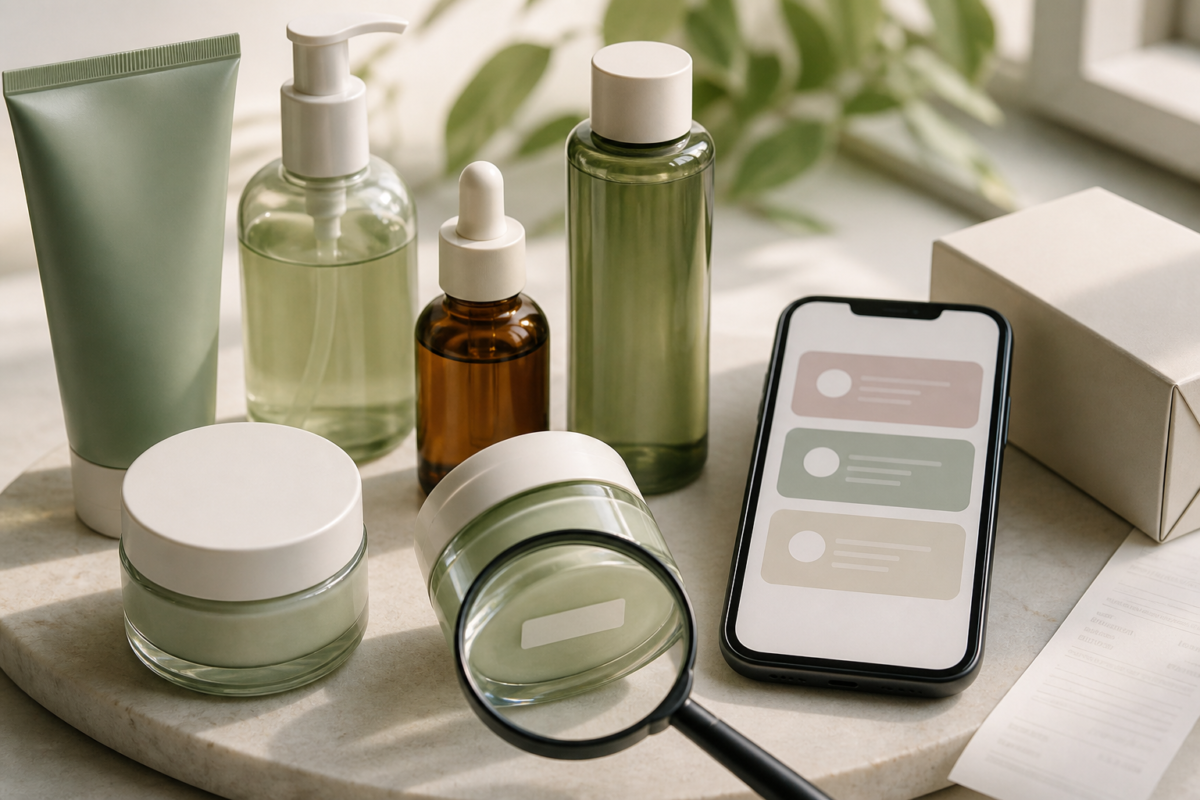
FDA’s consumer recall guidance says notices may identify the brand or product name, package size and type, UPC, lot or batch code, date code, images, and distribution information. Compare all available fields. A matching brand name with a different lot does not necessarily mean your unit is included.
- Exact product and variant name
- Package size and container type
- Lot, batch, manufacture, expiration, or date code
- UPC or other product identifier
- Seller and purchase period
- Geographic distribution
Photograph the front, back, bottom, and outer carton before discarding anything. Lot codes may be embossed, ink-jet printed, or placed on a seal. The code is sometimes on the carton rather than the primary container, which is one reason to keep packaging until a new product has been used without issue.
Use the Receipt and Seller Record
Order confirmations can establish purchase date, seller identity, SKU, and fulfillment source. This is especially important on marketplaces where multiple sellers use one product page. Save the invoice or screenshot from the account record rather than relying on a listing that may later change.
If a retailer contacts you, compare the order number and product details with your account independently. Navigate to the retailer’s official website or app rather than clicking an unexpected link in a message.
Do Not Guess From Similar Packaging
K-beauty brands frequently refresh graphics, and gray-market or counterfeit units can complicate identification. If the lot code is unreadable or missing, send photographs and the purchase record to the official brand, responsible person, or retailer. Do not invent a code or decide that a package is safe merely because one visual element differs from a press photo.
What to Do if Your Product Is Recalled
Stop Use and Read the Entire Notice
FDA’s consumer guidance advises people who believe they possess a recalled product not to use it and to follow the recall notification. The product-specific notice may direct consumers to return the item, obtain a refund, dispose of it in a specified way, or contact the company. Do not improvise disposal when the product requires special handling.
Keep the product away from children and other household members while confirming instructions. Marking or isolating the package can prevent accidental reuse. Do not give away, resell, or donate a recalled cosmetic.
Document Before Returning or Discarding
Record the lot code, photographs, remaining quantity, purchase source, order number, and any symptoms before the product leaves your possession. Retain copies of correspondence and refund or disposal confirmation. These records help if the notice changes, the retailer needs proof, or an adverse-event report requires product identification.
Seek Appropriate Care for Symptoms
If a person experiences a serious allergic reaction, breathing difficulty, eye injury, significant swelling, infection signs, or another urgent problem, seek appropriate medical care. A recall webpage is not a diagnostic tool. Bring or photograph the ingredient list and product identity when practical so a health professional has useful context.
How to Report a Cosmetic Problem
Report to FDA and the Company
FDA encourages consumers to report cosmetic problems, and its cosmetic complaint guidance explains available reporting channels. FDA’s SmartHub helps route product reports, and consumers may also use applicable FDA contact methods. Report to the company or responsible person as well, using contact information from the label or verified official website.
A useful report is factual and specific. Include the product name, manufacturer or distributor, lot code, purchase location and date, when use began, amount and frequency, what happened, timing of symptoms, medical attention, and whether use stopped. State other products used in the same area without claiming certainty about causation.
Preserve the Product When Safe
Unless the recall directs immediate disposal or keeping the product would create a safety risk, retain the container and remaining contents in a secure location while reporting. The company or regulator may request codes, photographs, or a sample. Never mail a leaking or hazardous item without approved instructions.
A Report Is a Signal, Not Proof of Cause
Adverse-event reports can identify patterns that deserve investigation, but a report alone does not establish that the product caused the event. Timing, underlying conditions, other products, misuse, contamination after opening, and unrelated factors can matter. Consumers should report accurately while avoiding unsupported public accusations.
What Retailers and Brands Should Communicate
Retailers should preserve lot-level receiving and sales records where feasible, maintain current customer contact information with consent, and create a process for removing affected inventory across stores, warehouses, and marketplace listings. Recall messages should state the exact affected product, codes, reason, action, refund method, and contact channel without burying essential information in promotional copy.
Korean brands entering the United States need a traceability plan that works across importer, distributor, retailer, and direct-to-consumer channels. The U.S. responsible person should be able to reconcile the English product identity with Korean manufacturing records quickly. Translations must preserve technical accuracy, especially lot ranges and disposal instructions.
From J&J TWIN’s Frisco business context, the practical lesson is that customer trust depends on what happens after a sale as much as before it. A transparent correction can be more credible than silence or vague reassurance. However, this article does not claim firsthand knowledge of any specific local recall or consumer incident.
Risks and Limitations
No single database guarantees immediate coverage of every company action worldwide. An announcement can appear before classification, distribution details can be updated, and similarly named products may exist in different markets. Consumers should check the date and latest version of a notice and contact the responsible company when identity remains uncertain.
A recall does not prove that every product from the brand is unsafe, while the absence of a recall does not guarantee that a product will suit every user. This guide provides general consumer information, not medical or legal advice. Product formulas, sellers, regulatory authority, reporting systems, and recall instructions can change.
Conclusion & Key Takeaways
Reliable recall checking is a matching task, not a reaction to a headline. Start with FDA and verified company sources, then compare the exact product, variant, size, lot code, seller, purchase period, and distribution information. If the unit matches, stop use and follow the notice rather than inventing a return or disposal method.
Keep packaging and receipts long enough to identify the product, document concerns carefully, and report adverse events with factual details. For U.S. K-beauty shoppers, a calm verification process protects both safety and fairness by responding decisively to real alerts without spreading claims beyond the affected products.