K-beauty is no longer a niche import understood only by dedicated skincare enthusiasts. In 2026, Korean formats, ingredients, and merchandising ideas influence how American shoppers evaluate products across mass retail, prestige stores, marketplaces, and social commerce. Toner pads, cleansing balms, lightweight layers, barrier-focused moisturizers, hydrogel masks, and makeup with skincare benefits have moved into the mainstream conversation. The most important change is not that every shopper follows a Korean routine. It is that Korean product development has expanded the choices available inside familiar American categories.
The opportunity is supported by measurable momentum. Korea reported record cosmetics exports of USD 11.4 billion in 2025, with the United States becoming the largest destination at about USD 2.2 billion. Circana also reported growth in both prestige and mass beauty retail in the United States. This guide explains what those figures mean, how K-beauty is changing competition, and what brands and shoppers should watch next.
A Growing U.S. Beauty Market Creates Room for K-Beauty
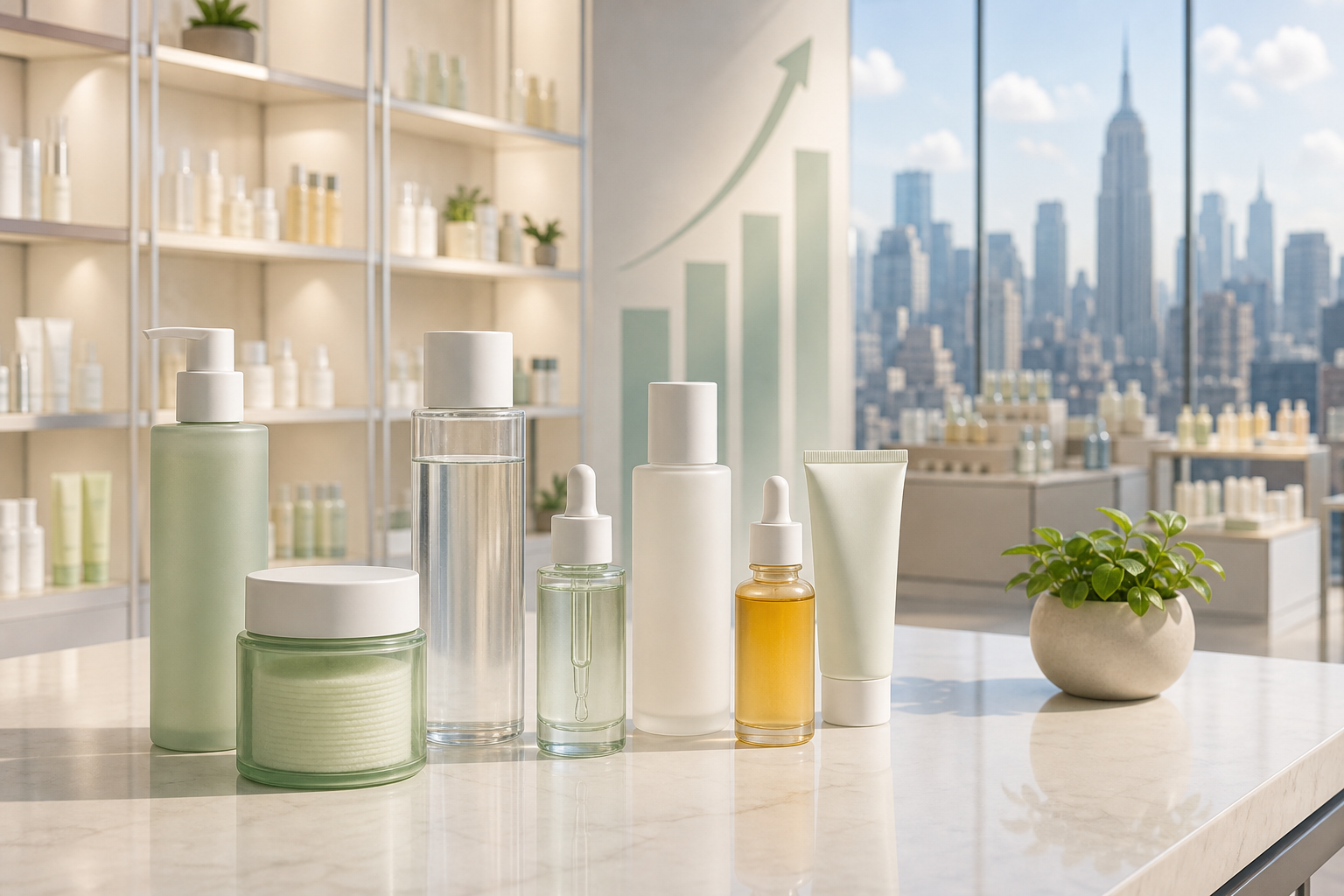
Beauty remained resilient during 2025 even as American households watched discretionary spending. According to Circana, prestige beauty retail sales increased 4 percent to USD 36 billion, while mass beauty sales grew 5 percent to USD 72.7 billion. K-beauty can participate in both markets. Some brands compete through accessible marketplace pricing; others use premium formulas, packaging, and specialty retail placement.
Skincare is particularly relevant. Circana reported 3 percent dollar growth in prestige skincare and 6 percent growth in both dollars and units at mass retail. Facial cleansers and moisturizers supported mass-market gains. Korean manufacturers already have deep experience in these replenishment categories. They do not need to invent a new need; they can offer a differentiated texture, application method, or value proposition for a need shoppers already recognize.
The United States Has Become Central to Korean Exports
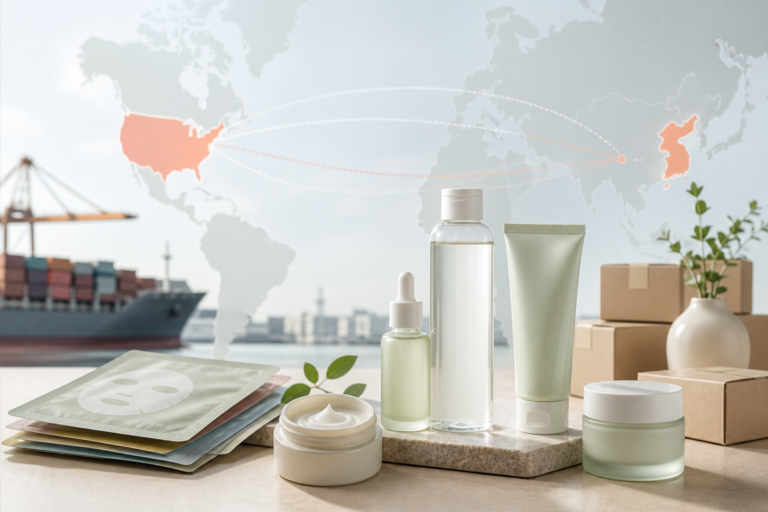
The Republic of Korea reported that cosmetics exports rose 11.8 percent in 2025 and that the industry trade surplus exceeded USD 10 billion. The United States received approximately USD 2.2 billion and became Korea’s largest cosmetics export market. The number of destinations expanded to 202, demonstrating that the industry is globally diversified. These results are summarized in the government’s official export report.
Export value measures shipments, not guaranteed retail sell-through, but it confirms the scale of supply and commitment. It also raises the standard for brands. Novelty is no longer enough. A durable U.S. business needs dependable inventory, English support, compliant labels, credible claims, and a reason for a retailer or customer to reorder.
Innovation Works When It Solves a Familiar Problem
K-beauty’s strongest influence appears when a recognizable goal is delivered through an engaging format. American shoppers already seek hydration, gentle cleansing, barrier support, comfortable wear, and efficient routines. Korean brands often package those goals in lightweight layers, sensorial textures, refillable formats, or visually clear ingredient stories.
The result is not necessarily a long routine. Many consumers want fewer steps. Toner pads can make application faster. A cleansing balm turns sunscreen removal into a simple evening step. An essence offers hydration without the weight of a cream. These formats can fit American habits without requiring the shopper to copy a ten-step regimen.
Skinification Links Makeup and Skincare
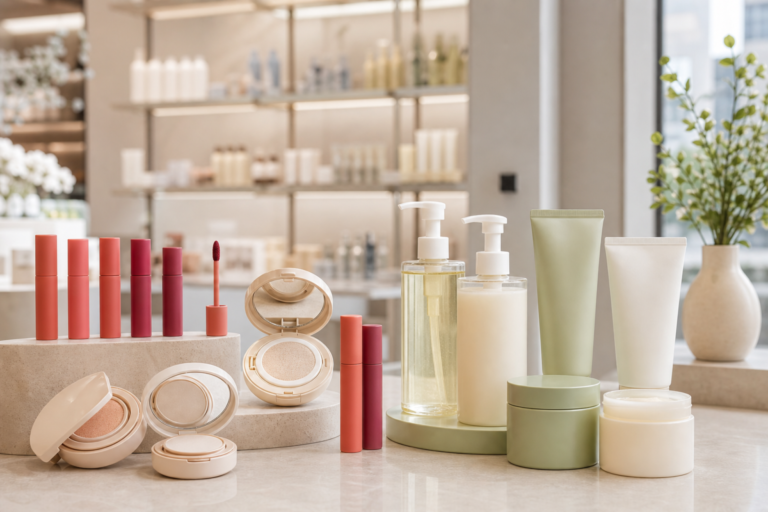
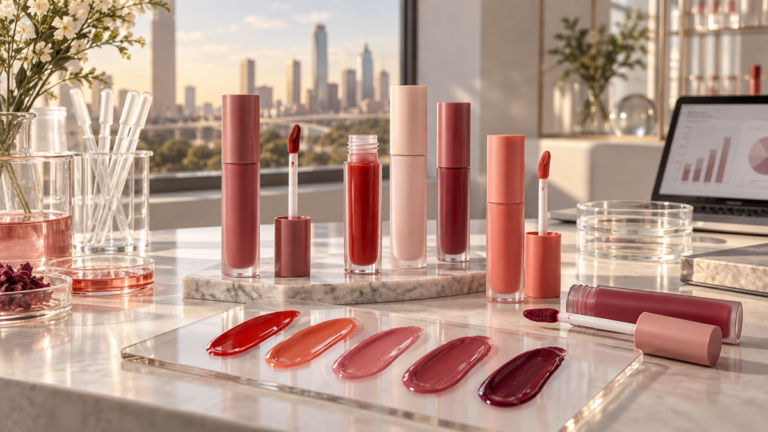
Circana identified skinification—the blending of makeup and skincare benefits—as a force in makeup growth. Korean cushion products, lip tints, balm textures, and luminous base products have long occupied this boundary. Their influence is visible in demand for makeup that feels comfortable and supports a hydrated finish.
Brands must still control claims. Describing appearance, finish, conditioning, and hydration is different from claiming to treat disease or change body structure. The strongest communication tells shoppers what the finished product does in use instead of turning one ingredient into a medical promise.
Discovery Now Moves Across Several Channels
A shopper may see a texture demonstration in a video, read community discussions, compare marketplace reviews, examine the package in a store, and reorder wherever price and delivery feel most reliable. K-beauty is suited to this journey because products are visual. A balm melts makeup, a toner pad suggests convenience, and a mask creates a recognizable ritual.
Visibility must grow with trust. Viral demand can create unauthorized listings, confusing prices, and uncertain inventory. Brands need official seller information, lot traceability, consistent descriptions, and responsive support. Retailers need documentation and replenishment. Shoppers need a simple way to confirm that a seller is connected to the brand.
Localization Is More Than Translation
Direct translation rarely creates the strongest U.S. launch. Customers may not recognize Korean category names or know where the product belongs in a routine. Good localization explains order of use, amount, texture, finish, frequency, and cautions. Packaging should make the product identity, net contents, directions, warnings, and responsible-party information easy to find.
Climate also matters. Communication created for a humid Korean summer may need adjustment for North Texas heat, strong sun, air conditioning, and seasonal dryness. Local context turns general demographic assumptions into useful product guidance.
A Practical 2026 Plan for Brands
- Choose one primary customer and routine problem. A clear hero product is easier to understand than a large unprioritized assortment.
- Prepare compliance early. Registration, listing, safety substantiation, adverse-event contact information, and label review should precede major promotion.
- Assign each channel a job. Marketplaces test demand, social commerce accelerates discovery, and specialty retail builds credibility, but margins differ.
- Measure retention. Reorders, returns, customer questions, and review patterns are more durable signals than views alone.
- Control evidence. Keep ingredient documents, test summaries, approved claims, and source links in one reviewed library.
What Consumers Should Evaluate
More choice requires better evaluation. Confirm the seller, read the complete ingredient declaration, follow directions, and be skeptical when a cosmetic is presented as a cure. Introduce products gradually so that a reaction or benefit is easier to interpret. Trend labels such as glass skin, barrier care, and clean beauty can guide discovery, but the complete formula and routine fit matter more than the label.
Consumers should also consider packaging, fragrance, climate, and how often a product will realistically be used. A viral format that adds friction may not earn a repeat purchase. A simple product that works consistently can be more valuable than a complicated novelty.
Risks and Limitations
Strong trade and retail growth do not mean every brand will succeed. The market is crowded, customer acquisition can be expensive, and social attention changes quickly. Export figures are not the same as consumer sales, while broad retail totals should not be interpreted as K-beauty revenue alone. Ingredient research may involve laboratory work, small trials, or formulas that combine several materials. Results from one formula cannot automatically be transferred to every product using the same ingredient name.
Conclusion and Key Takeaways
K-beauty is reshaping the U.S. market because it aligns with established demand while adding new formats, textures, and stories. The opportunity is supported by a growing U.S. beauty sector and record Korean exports, with America now the largest destination. The next phase will depend less on novelty and more on trust.
Brands that localize clearly, comply with U.S. requirements, maintain channel consistency, and learn from customer behavior will be better positioned than brands chasing one viral moment. Shoppers can benefit by evaluating the product, seller, evidence, and routine fit rather than buying a trend name alone.