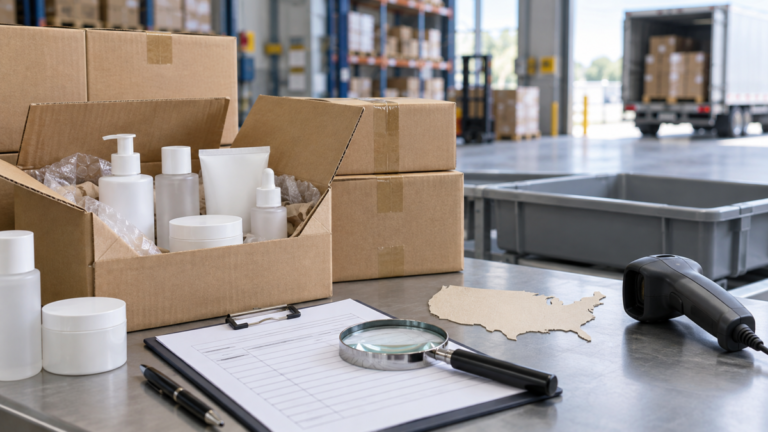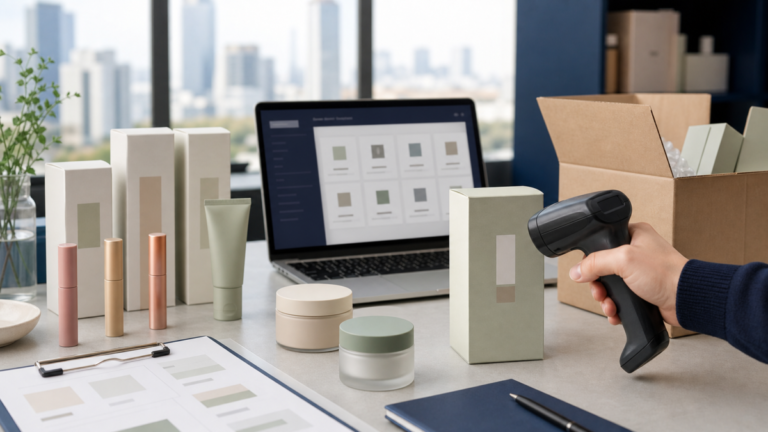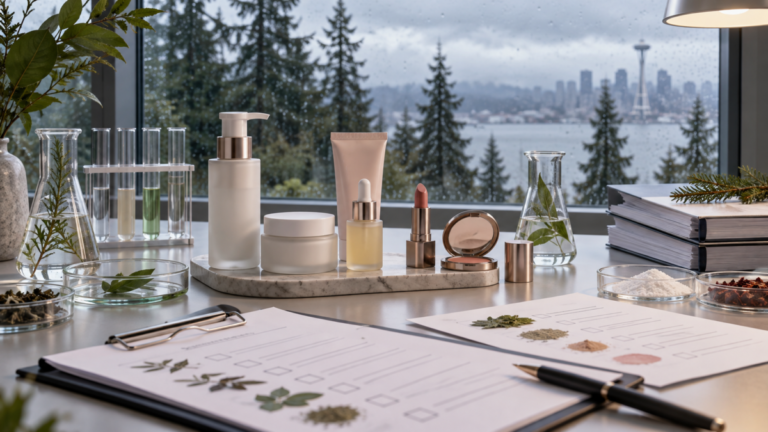
The Modernization of Cosmetics Regulation Act of 2022, usually called MoCRA, changed the U.S. cosmetics compliance landscape. For Korean beauty companies, it means a U.S. launch should begin with regulatory mapping rather than a translated package and a sales account. Manufacturing arrangements, the responsible person shown on the label, safety records, facility information, product formulas, adverse-event contacts, and update responsibilities all need owners.
MoCRA is the most significant expansion of FDA cosmetics authority since 1938. It does not create a general cosmetic pre-approval program, and registration is not an FDA endorsement. It does create important obligations and enforcement tools. This guide explains a practical workflow while recognizing that each company should obtain advice for its own products.
Define the Product and Responsible Person
Start by confirming whether the item is a cosmetic, a drug, both, or another regulated product. Intended use is shaped by claims, directions, ingredients, and presentation. A moisturizer making appearance and conditioning claims may be a cosmetic. A product promoted to treat acne, eczema, hair loss, or another disease can trigger drug requirements.
MoCRA defines the responsible person as the manufacturer, packer, or distributor whose name appears on the label under the applicable law. This role is more than a mailing detail. Product listing, serious adverse-event reporting, records, and contact information connect to it. Contracts should state who owns each task.
Facility Registration
Manufacturers and processors subject to the requirement must register facilities with FDA and renew every two years. Foreign facilities need to address U.S. agent information and identify the facility accurately. FDA has described the FDA Establishment Identifier, or FEI, as the required facility registration number for submissions.
Do not confuse a factory’s existing work for another brand with your own compliance file. Confirm legal name, address, activities, FEI status, U.S. agent, and whether the facility registration is active. Establish a process for changes rather than checking only at launch.
Small-Business Exemptions Need Careful Review
MoCRA provides exemptions for certain small businesses, but exceptions apply to specified higher-risk product types, including products that regularly contact the eye’s mucous membrane, injected products, internal-use products, and products intended to alter appearance for more than 24 hours when consumer removal is not customary. Do not assume that low revenue automatically removes every obligation.
Cosmetic Product Listing
A responsible person must list each marketed cosmetic product with FDA, including required product and ingredient information, and provide updates annually. FDA notes that multiple products with identical formulations or formulations differing only in colors, fragrances, flavors, or quantities may be addressed under applicable listing provisions.
Build a controlled formula record before submission. Marketing names can change, but ingredient identity, manufacturing facility, product category, and responsible-person data must remain traceable. Assign someone to monitor annual updates and discontinued products.
Registration Is Not Approval
FDA explicitly states that facility registration and product listing are not cosmetic approval programs and should not be promoted as certificates. Claims such as “FDA approved” can mislead when applied to ordinary cosmetic registration. Train distributors, creators, and sales teams so that inaccurate language does not appear outside the brand website.
Safety Substantiation and Records
Companies are responsible for ensuring that cosmetics are safe under labeled or customary conditions of use. MoCRA requires maintenance of records supporting adequate safety substantiation. A practical file may include formula review, ingredient specifications, supplier documents, microbiological and stability work, packaging compatibility, manufacturing controls, and qualified assessments.
A collection of supplier brochures is not automatically a finished-product safety rationale. Evaluate exposure, intended users, directions, foreseeable misuse, contaminants, preservation, and packaging. Identify gaps before inventory is committed.
Adverse-Event Contact and Reporting
Cosmetic labels must provide a domestic address, domestic telephone number, or electronic contact information through which the responsible person can receive adverse-event reports. Serious adverse events have reporting timelines and record obligations. Customer-service scripts should capture the information needed for evaluation without delaying escalation.
Map intake from email, phone, retailers, marketplaces, social media, and distributors. A report received by a sales partner should not disappear because the regulatory team never sees it. Establish roles for medical review, reportability decisions, FDA submission, follow-up, and record retention.
Good Manufacturing Practice Planning
MoCRA gives FDA authority related to cosmetic good manufacturing practice regulations. Even while specific requirements and implementation details develop, brands should document manufacturing controls, sanitation, raw-material approval, batch records, deviations, complaints, recalls, and change control.
Audit rights matter for contract manufacturing. The brand needs timely access to records supporting investigations and listings. Quality agreements should cover formula changes, substitute materials, facility changes, test failures, and notification periods.
Fragrance Allergen and Label Change Readiness
MoCRA also directs work concerning fragrance allergen labeling. Brands should maintain detailed fragrance documentation and monitor final FDA requirements. A package designed with no space for future statements can create expensive artwork changes.
Use controlled artwork files, version approval, and inventory transition procedures. Compliance is a lifecycle activity, not a one-time print check.
A Practical Launch Checklist
- Confirm classification and intended use for every product.
- Identify the responsible person and document responsibilities in contracts.
- Verify each manufacturing or processing facility and registration status.
- Create controlled formula and ingredient records.
- Complete product listings and assign annual update ownership.
- Assemble safety-substantiation records for the finished product.
- Review English labeling and contact information.
- Build adverse-event intake, escalation, and reporting procedures.
- Establish quality, complaint, recall, and change-control processes.
- Monitor FDA announcements and renewal dates.
Common Strategic Mistakes
One mistake is treating the U.S. distributor as the automatic owner of every obligation without a written responsibility map. Another is launching marketing before claim review. A third is assuming the Korean manufacturer’s documents automatically answer U.S. questions. Finally, teams may register once but fail to plan renewals and annual updates.
A regulatory calendar and one accountable internal owner can prevent many failures. Compliance should be included in pricing, lead time, and channel negotiations.
Risks and Limitations
This article is general information, not legal or regulatory advice. Exemptions, product classification, deadlines, and required records depend on facts and current FDA materials. Sunscreens, acne products, antiperspirants, and other drug-cosmetic combinations require additional analysis.
Conclusion and Key Takeaways
MoCRA makes operational readiness part of U.S. brand strategy. Facility registration, product listing, safety substantiation, adverse-event handling, label contact information, and record control should be designed before launch. Registration must never be represented as FDA approval.
Korean brands that build a clear responsibility map and maintain controlled data will be better prepared for retailers, customers, and regulatory questions. The practical goal is not paperwork alone; it is a system that keeps product, label, facility, evidence, and customer feedback connected throughout the product lifecycle.